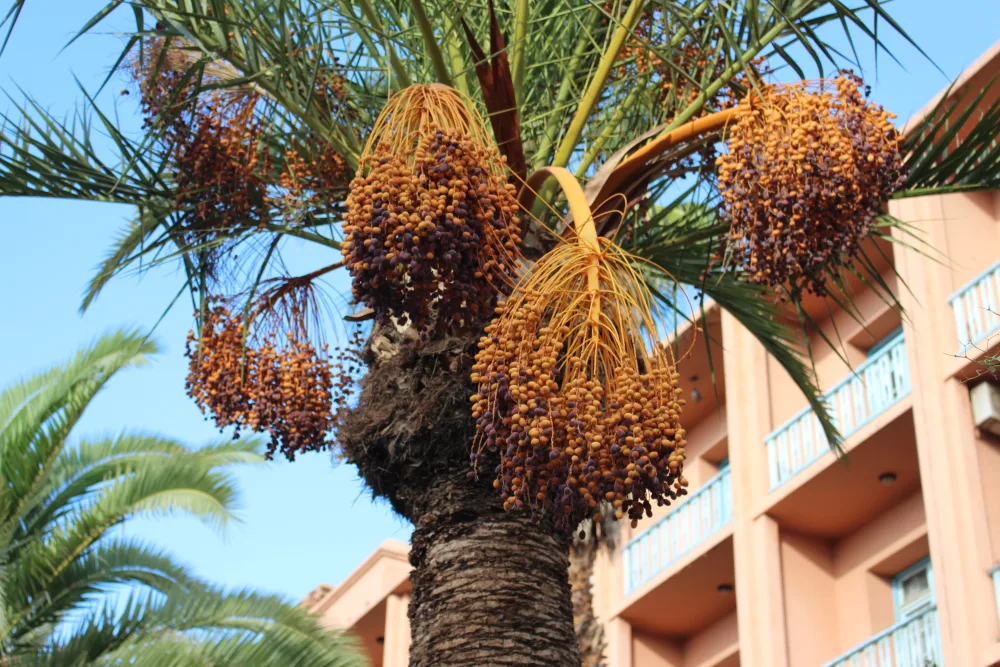
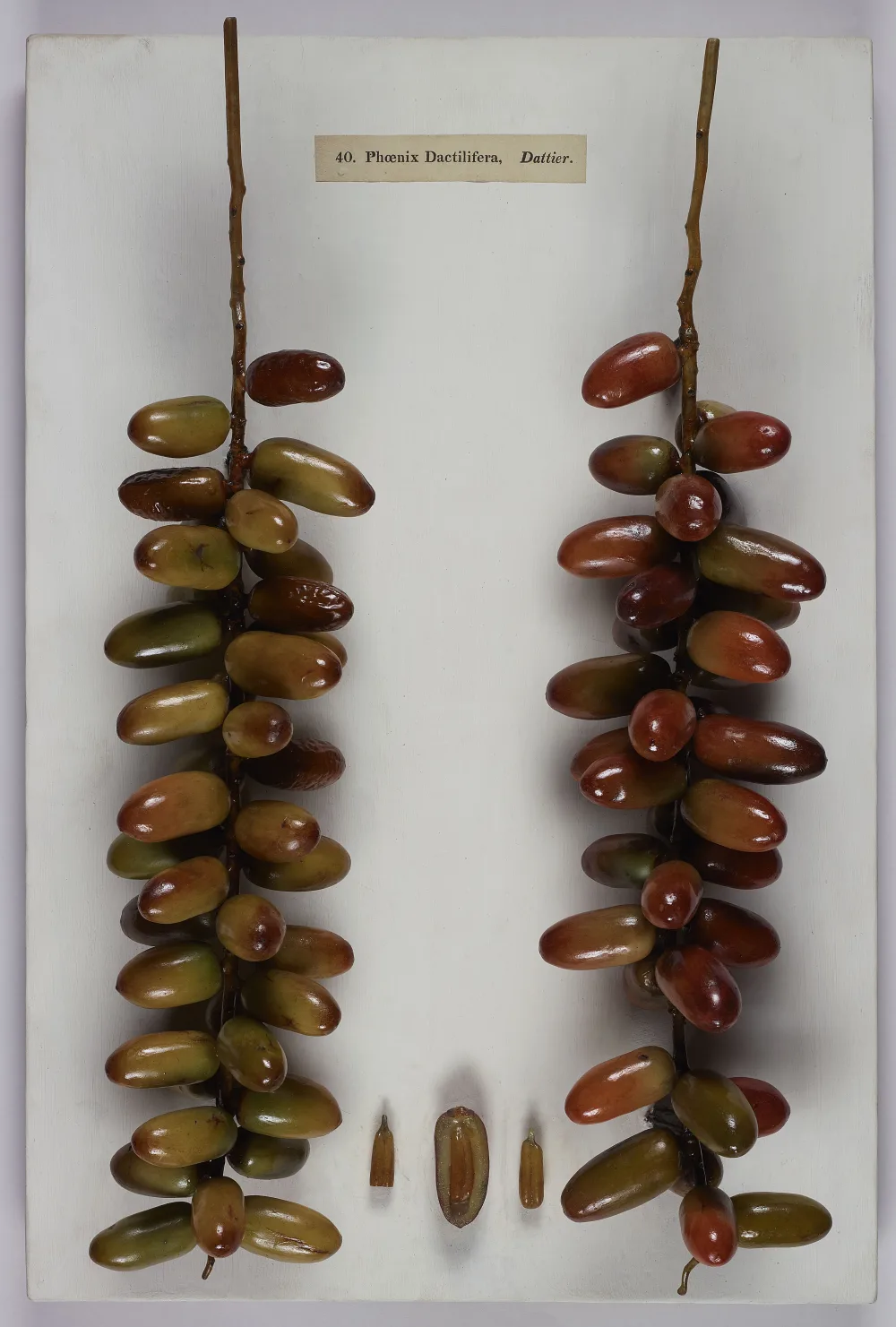
The term "prophetic date" (kurma nabi) is hugely popular in Indonesia and is almost always associated directly with Ajwa. That association is not wrong — Ajwa is the date most often cited in the context of virtue — but an important nuance is rarely explained: according to a number of scholars, the virtue in the hadith is not limited to a single variety but relates to dates from the city of Madinah in general. This means Ajwa, Safawi, Mabroom, and Anbara are all part of the "Madinah dates" family that fits within the prophetic-date frame. This article traces the evidence, scholarly views, and practical implications for those who wish to follow the sunnah correctly.
The Primary Evidence on Madinah Dates
The most-cited hadith comes from Sa'd ibn Abi Waqqash (may Allah be pleased with him), that the Prophet (peace be upon him) said: "Whoever eats seven Ajwah dates in the morning will not be harmed by poison or magic that day." This is reported by Imam Bukhari (no. 5779) and Imam Muslim (no. 2047), giving it muttafaqun 'alaih status — agreed upon as authentic by the two greatest hadith imams. Indonesian Islamic references such as Rumaysho.com and Almanhaj.or.id discuss it in detail.
In some Muslim narrations, the wording mentions "dates from Madinah" without restricting it to Ajwa. This is the key point underpinning the view that the scope is broader than a single variety.
Scholarly View: Ajwa as an Example, Not a Limit
As explained in Rumaysho.com's discussion, a number of scholars — including an explanation attributed to Shaykh As-Sa'di — understand the mention of "Ajwah" in the hadith as the best example (representation), not an exclusive restriction. In other words, the blessing and benefit mentioned apply to Madinah dates generally, with Ajwa as their quality peak. This reading is logical: Madinah is one region with the same soil and climate, and Ajwa is the finest variety grown there.
Therefore, when someone eats Safawi, Mabroom, or Anbara from Madinah, they remain within the honoured "Madinah dates" frame, even though the specific "seven Ajwa" virtue is most strongly tied to Ajwa itself. It is important not to exaggerate: this virtue is a blessing decreed by Allah, not a medical treatment claim that replaces health effort.
The Four Prophetic Dates of Madinah
Here are the four Madinah varieties within the prophetic-date frame and their positions:
| Variety | Brief Traits | Position in the Prophetic-Date Frame |
|---|---|---|
| Ajwa | Jet black, small-medium, soft | Foremost; named directly in the hadith |
| Safawi | Glossy black, thick flesh, rich | Everyday Madinah date; common Ajwa alternative |
| Mabroom | Long, slender, dark brown, chewy | Madinah date for elegant gifting |
| Anbara | Very large, reddish-brown | The most prestigious Madinah date |
All four share the same "home": the city of Madinah. This is why kurmamadinah.co.id views the prophetic date not as a single product but as one family of holy-city varieties.
Etiquette and How to Consume Per the Sunnah
Beyond varietal virtue, there is general etiquette for eating dates as exemplified by the Prophet. Almanhaj.or.id summarises several pointers, including:
- Break the fast with dates. From Salman ibn 'Amir, breaking the fast with tamr (dried dates) is recommended; this narration is authenticated by Ibn Khuzaymah and Ibn Hibban.
- Odd numbers. There is a general preference for odd numbers in certain practices.
- Intention and gratitude. Consuming dates as a blessing from Allah, not merely for their properties.
Regarding "seven dates in the morning," scholars explain this is a special virtue; practising it is good, but not doing so is no deficiency in worship. Avoid over-reading this hadith as if dates were an amulet — an understanding criticised by some scholars in discussions on the authenticity of claimed properties.
Why the Madinah Frame Matters When Buying
Understanding that the prophetic date is the Madinah family helps you become a wiser buyer. First, you avoid fixating only on Ajwa and overpaying for products that may not be authentic; Safawi or Mabroom from Madinah are also valuable. Second, you can choose a variety by need — Safawi for daily Ramadan use, Ajwa to practise the virtue, Mabroom and Anbara for gifts — without feeling it is "less complete." Third, you become more alert to sellers who exploit religious sentiment with exaggerated claims. In our store, all four Madinah varieties are available precisely so you can choose with full understanding, not just follow a trend.
Three Common Misconceptions about Prophetic Dates
The term's popularity has produced several misunderstandings worth gently correcting:
- "Only Ajwa truly counts as a prophetic date." As explained, some scholars view the virtue as covering Madinah dates generally. Ajwa is foremost but not the only one from that noble city. Safawi, Mabroom, and Anbara are also Madinah dates.
- "Seven dates are a guaranteed medical prescription." The virtue in the hadith is a blessing decreed by Allah, not a pharmacological formula. Some scholarly discussions (including on KonsultasiSyariah.com) caution against over-reading this hadith as if dates were an amulet against harm. Pursuing both religiously sound and medical effort remains essential.
- "Madinah dates surely cure specific diseases." Dates are nutrient-dense and many health benefits are supported by real content, but specific cure claims require scientific evidence and must not be treated as guarantees. The wise approach: enjoy the blessing, be grateful, and do not replace treatment with instant claims.
Correcting these misconceptions is not meant to diminish the nobility of Madinah dates, but to keep the community's understanding sound and resistant to exploitation by those who sell with exaggerated promises.
The Virtue of Madinah and Its Dates
Understanding prophetic dates also means understanding the nobility of their origin. Madinah is a blessed city, the place of the Prophet's migration and of the Prophet's Mosque. Its soil, climate, and water produce dates with a distinctive character hard to replicate elsewhere — which is why "authentic" Ajwa is only recognised when grown in Madinah. This link between a noble place and its fruit gives Madinah dates a spiritual dimension beyond mere nutrition. When you choose Madinah dates — any of the four varieties — you are bringing home a piece of that holy city's blessing, provided you maintain the proportionate understanding the scholars teach.
Conclusion
"Prophetic date" is best understood as the frame of Madinah city dates — with Ajwa as its highest representation — not a single exclusive variety. Ajwa, Safawi, Mabroom, and Anbara are one family from the same holy land. With this understanding, you can practise the sunnah proportionately, choose a variety by need, and avoid exaggerated claims. Sources: Rumaysho.com, Almanhaj.or.id, KonsultasiSyariah.com, and the Bukhari-Muslim narrations.