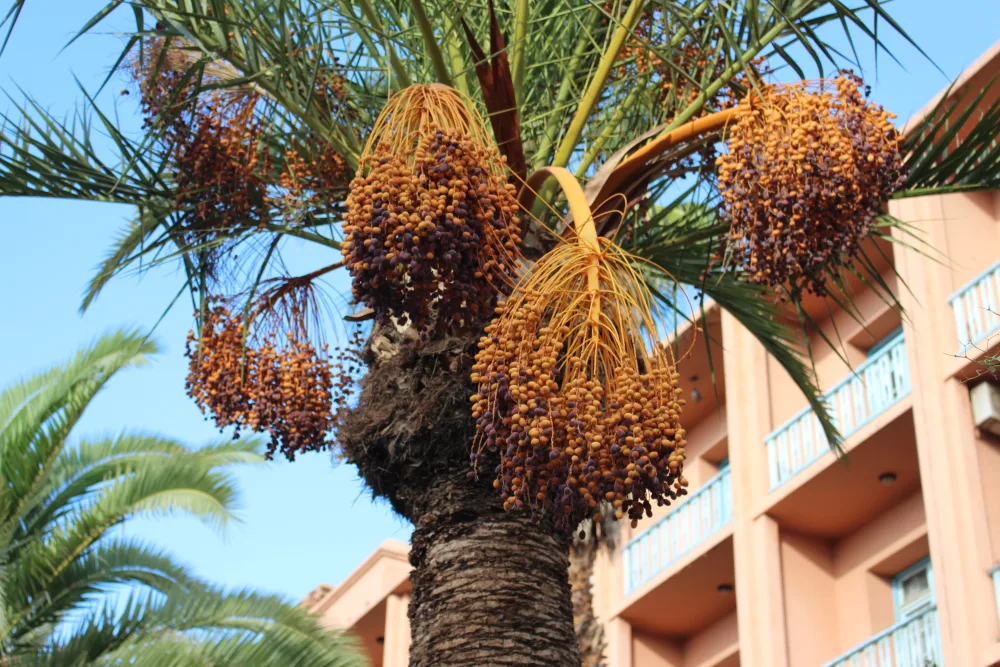
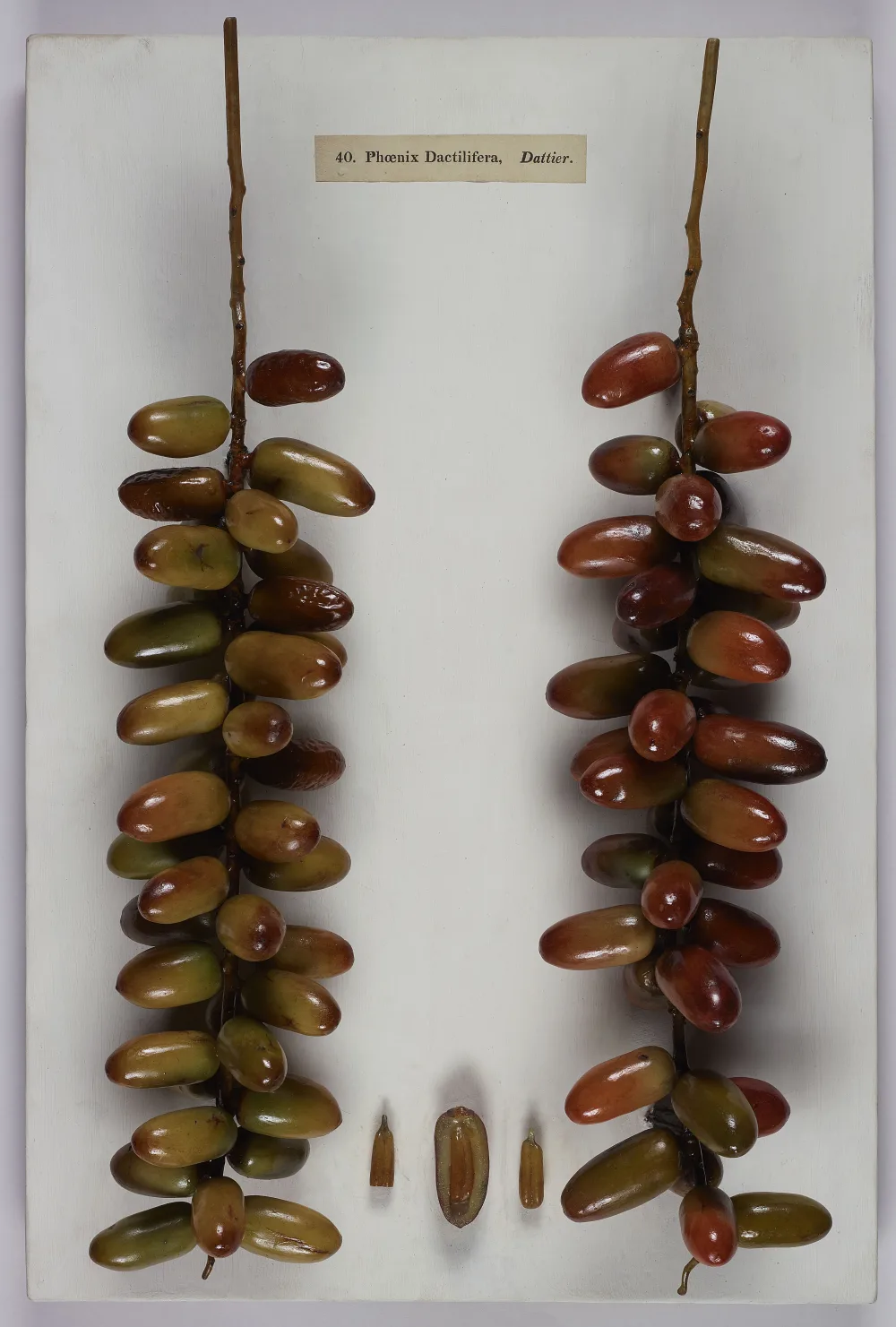
Indonesia is the world's largest sender of Hajj pilgrims, with a quota of roughly 100,051, plus millions of Umrah pilgrims each year. For them, bringing home souvenirs from the holy land is not merely tradition but part of sharing blessings with family and neighbours. And among all souvenirs, Madinah dates are the most sought after. This guide helps you — whether travelling yourself or receiving requests — choose the best Madinah dates as souvenirs, complete with tips for bringing them home and keeping their quality.
Why Are Madinah Dates the Top Souvenir?
Hajj guidance sources such as BPKH and various travel agencies rank dates as the number-one souvenir from Madinah. The reasons stack up: dates carry spiritual meaning (especially Ajwa as the prophetic date), last long for safe long-distance transport, are easy to share in small portions, and are welcomed by everyone. The Madinah Dates Market, about 600 metres south of the Prophet's Mosque, is a favourite destination for pilgrims buying dates in bulk.
However, not every pilgrim has the time, energy, or baggage allowance to stock up there. Many end up supplementing or replacing purchases by buying authentic Madinah dates back home — where a trusted local provider comes in.
Four Madinah Date Choices for Souvenirs
As a Madinah set house, we suggest considering all four varieties according to the gift's purpose:
| Variety | Impression | Best Given To |
|---|---|---|
| Ajwa | Meaningful, religious, premium | Parents, teachers, respected relatives |
| Safawi | Rich, friendly for wide sharing | Neighbours, mosque congregants, colleagues |
| Mabroom | Elegant, beautiful shape | Close friends, memorable personal gifts |
| Anbara | Luxurious, large fruit | Special gifts, bosses, important relations |
A practical strategy many choose: buy Safawi in bulk for wide distribution (cheapest per piece), add a few small Ajwa packs for the closest people, and set aside one or two Mabroom or Anbara gift boxes for special gifts. This distributes the budget smartly without sacrificing impression.
Tips for Choosing Quality Souvenir Dates
Guidance from Umrah organiser associations (such as Himpuh) and travel agencies stresses several points when choosing dates to bring home:
- Check Madinah authenticity — especially for Ajwa and Anbara, which are often faked. Authentic Ajwa traits: dark blackish-brown colour without uniform gloss, small size, slightly wrinkled skin, not overly sweet.
- Match your budget. Compare price and quality across several shops before deciding; don't be tempted by extremely cheap prices.
- Mind the packaging. For souvenirs, neat, sealed packaging is safer and looks gift-worthy.
- Check texture and moisture. Overly moist dates risk moulding in transit; overly dry ones can be hard.
Tips for Bringing Them Home
Logistics is a real challenge. Dates are heavy, and excess baggage fees can be steep. Some tips from travel guides:
- Group heavy souvenirs (dates) and light ones (prayer beads, mats) for easier suitcase packing.
- Leave space and weigh baggage before departure and on return; prepare an extra bag if needed.
- Wrap securely to prevent crushing and leakage.
- Consider buying some at home if baggage is limited — lighter to carry, with quality preserved when buying from a direct importer with fresh stock.
A Smart Alternative: Complete It at Home
Many pilgrims now adopt a hybrid approach: buy enough dates in Madinah for the sentimental "straight from the holy land" value, then complete the bulk-sharing needs after returning. This saves baggage, avoids fees, and ensures enough stock for many recipients. As a direct importer with a warehouse in East Jakarta, we provide all four Madinah varieties — including adjustable-quantity Hajj/Umrah souvenir packs — so Greater Jakarta pilgrims can complete their souvenirs hassle-free. We also serve travel agencies wishing to prepare homecoming packs for their pilgrims.
Serving and Packaging Ideas
To make souvenirs feel more personal, consider: dividing dates into small labelled pouches with a prayer or greeting, combining two varieties (e.g., Ajwa + Safawi) in one box, or preparing mini hampers for the closest relatives. These small touches turn "just dates" into a memorable gift that shows you care. For neat packaging needs, our gift-box-format Mabroom and Anbara lines are a practical choice without repackaging.
Budgeting Your Date Souvenirs
A common source of pilgrim stress is dividing the souvenir budget fairly. Recipient lists are often long — immediate family, relatives, neighbours, mosque congregants, colleagues — while funds and baggage are limited. A layered approach helps: allocate the largest share to the inner circle (parents, in-laws) with Ajwa or Anbara for the main impression; give close relatives an elegant Mabroom gift box in moderate quantity; cover neighbours and congregants with economical small Safawi packs for wide reach; and hand colleagues practical small Safawi or Ajwa pouches. By mapping recipients to varieties and packaging, you avoid two common mistakes: buying too uniformly (so the closest people feel less special) or buying too luxuriously for everyone (so the budget runs out fast). Many travel agencies suggest preparing a recipient list before departure so purchases are more targeted.
Context: Dates Among Other Madinah Souvenirs
Although dates are the star, other Madinah souvenirs are also popular — zamzam water, Arabian nuts, chocolate, raisins, chocolate-coated dates, and worship items like prayer beads and mats. Souvenir guides recommend grouping heavy and light items, and dates clearly fall into the heavy category. That is why many pilgrims prioritise buying just enough dates in the holy land for sentimental value, then fulfil the larger sharing needs after returning. This strategy balances the "straight from Madinah" meaning with logistical practicality. Whatever your choice, dates remain the core souvenir recipients most eagerly await.
Conclusion
Madinah dates are the most meaningful and most practical Hajj and Umrah souvenir. By understanding the four varieties, choosing by recipient and budget, and managing baggage logistics wisely — or completing them at home from a direct importer — you can share the holy land's blessings optimally. Verify authenticity, especially for Ajwa and Anbara, so your souvenir is truly valuable. References: BPKH, Himpuh, and travel-agency guides.